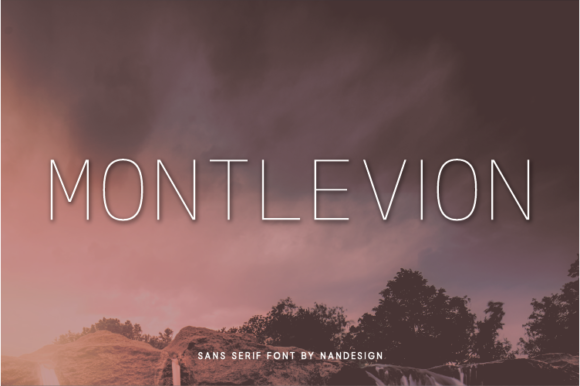
Literolf: A Strategic Tool for Modern Branding and Communication
Literolf is a simple and versatile sans serif font that has been gaining traction among designers, marketers, and professionals who value clarity and elegance in their visual communication. With its smooth and clean lines, Literolf offers a balanced aesthetic that works beautifully for logos, branding, and web headings. This font isn't just about style—it's a strategic choice that can influence perception, enhance readability, and support long-term brand positioning.
Understanding the Strategic Value of Literolf
Fonts are more than just decorative elements—they carry psychological weight and communicate subtle messages about professionalism, creativity, and approachability. Literolf, with its modern yet approachable design, is particularly well-suited for audiences seeking a balance between innovation and reliability.
For entrepreneurs launching a new brand or small business owners looking to refresh their identity, Literolf provides a clean canvas that allows for flexibility. It avoids the overly casual feel of some contemporary fonts while steering clear of the rigidity associated with traditional typefaces. This makes it an ideal candidate for businesses aiming to project a forward-thinking yet trustworthy image.
Marketers will appreciate how Literolf enhances readability without sacrificing visual appeal. In a world where attention spans are short, ensuring that key messages are quickly absorbed is critical. The simplicity of Literolf supports this goal by reducing cognitive load and allowing the content itself to take center stage.
When to Use Literolf Effectively
The versatility of Literolf means it can be used across various contexts, but knowing when to use it is as important as choosing the right font itself. Here are some practical scenarios where Literolf shines:
- Logos and Branding: Literolf’s clean lines make it perfect for creating logos that are both memorable and professional. Its neutrality allows it to pair well with a wide range of colors and supporting graphics.
- Web Headings and Titles: Whether you're designing a website, blog, or landing page, Literolf ensures that headings are easy to read and visually appealing. It adds a touch of sophistication without overwhelming the reader.
- Print Materials: From business cards to brochures, Literolf maintains its legibility and aesthetic quality across different mediums. This makes it a reliable choice for print-based marketing materials.
- Presentations and Reports: When presenting information to clients or stakeholders, using Literolf can help maintain a consistent and polished look throughout your slides or reports.
However, it's important to consider the context before relying on Literolf. While it's a great all-rounder, it may not be the best fit for every situation. For example, if your brand requires a more artistic or expressive feel, another font might be more appropriate. Always align your font choice with your brand’s personality and the message you want to convey.
Planning Your Font Strategy with Literolf
Integrating Literolf into your branding strategy should be a deliberate process. Here are some steps to help you plan effectively:
- Define Your Brand Identity: Before selecting any font, take time to understand your brand’s core values, target audience, and overall aesthetic. Literolf may be a good match if your brand leans toward minimalism, professionalism, and clarity.
- Test Across Platforms: Ensure that Literolf looks good on both digital and print platforms. Test it on different screen sizes, backgrounds, and color schemes to see how it performs in various contexts.
- Consider Pairing Fonts: While Literolf is versatile, pairing it with complementary fonts can add depth to your design. For example, using a serif font for body text can create contrast and improve readability.
- Evaluate Readability: Even the most beautiful font is useless if it’s hard to read. Evaluate Literolf’s performance in different sizes and weights to ensure it remains legible in all applications.
By following these planning steps, you can ensure that Literolf serves your goals effectively rather than becoming a random choice that doesn’t align with your brand’s needs.
Strategic Observations and Decision-Making Guidance
Using Literolf intentionally requires more than just selecting it from a font library. It involves making thoughtful decisions that align with your broader objectives. Here are some strategic observations to keep in mind:
Consistency is Key: Consistent use of Literolf across all branding materials helps reinforce brand recognition. This includes everything from your website to social media profiles and physical collateral.
Balance Creativity with Clarity: While Literolf is modern and clean, it shouldn’t overshadow the content it supports. Avoid overusing it or applying it in ways that distract from the message you’re trying to deliver.
Stay Ahead of Trends: Fonts evolve with design trends, and what’s popular today may not be relevant tomorrow. Choose Literolf because it meets your current needs, not just because it’s trendy. However, stay open to updating your font choices as your brand grows and changes.
Align with Audience Expectations: Consider the expectations of your target audience. If your audience prefers a more traditional look, Literolf might still work, but it’s worth testing to see how it resonates with them.
Potential Risks of Using Literolf Without Clear Goals
While Literolf is a strong font with many benefits, there are potential risks associated with using it without a clear strategy. One of the biggest pitfalls is treating it as a default choice rather than a deliberate decision. This can lead to inconsistent branding and a lack of visual coherence across your materials.
Another risk is failing to consider how Literolf interacts with other design elements. If it doesn’t complement your color palette, imagery, or layout, it could undermine the overall effectiveness of your design. Always test your font choices in real-world conditions before finalizing them.
Lastly, using Literolf without understanding its limitations can result in poor user experiences. For example, using it for long blocks of body text might reduce readability, especially on smaller screens. Be mindful of these factors to avoid unnecessary challenges down the line.
Conclusion: Leveraging Literolf for Long-Term Success
Incorporating Literolf into your branding and communication strategy can have a meaningful impact on how your brand is perceived and received. Its simplicity, versatility, and clean aesthetics make it a powerful tool for professionals across various industries. However, its success depends on how thoughtfully it is used.
Whether you're an entrepreneur building your first brand, a marketer refining your messaging, or a designer looking for a reliable font, Literolf offers a solid foundation for achieving your goals. By planning strategically, testing thoroughly, and aligning your choices with your brand’s identity, you can ensure that Literolf becomes a valuable asset in your toolkit rather than a passing trend.