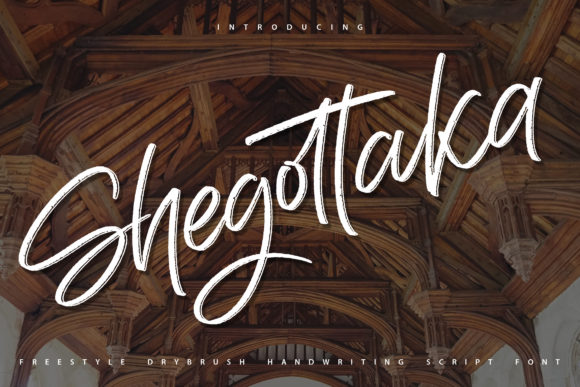
Shegottaka: A Trendy Handwritten Font for Modern Design
In a world where visual communication is more important than ever, the right font can make all the difference. Shegottaka stands out as a unique and versatile handwritten font that brings a personal touch to digital and print designs. Its neat yet flowing style makes it ideal for a wide range of creative projects, from branding to social media content. Whether you're a designer, marketer, or content creator, Shegottaka offers a fresh approach to typography that aligns with current trends in design and user experience.
The Rise of Handwritten Fonts in Digital Design
Handwritten fonts have seen a significant resurgence in recent years. As audiences become more visually discerning, they seek authenticity and personality in the content they consume. Shegottaka taps into this desire by offering a font that feels both professional and personal. Unlike rigid sans-serif or serif typefaces, its fluid curves and natural strokes evoke a sense of human connection—something that resonates deeply in today's fast-paced digital landscape.
This trend reflects a broader shift in design preferences. Users are increasingly drawn to interfaces and content that feel handcrafted rather than overly polished. In marketing, education, and even business communications, the use of handwritten fonts helps brands stand out and connect on an emotional level. Shegottaka fits seamlessly into this evolving aesthetic, making it a valuable tool for creators looking to add warmth and character to their work.
Why Shegottaka Stands Out
Shegottaka is not just another handwritten font—it’s designed with versatility and usability in mind. Its clean lines and consistent stroke width ensure readability, even at smaller sizes, while still maintaining the organic feel that defines handwritten styles. This balance between form and function makes it suitable for a variety of applications, including logos, headlines, infographics, and even body text when used appropriately.
Another key feature of Shegottaka is its PUA (Private Use Area) encoding. This means designers can easily access and customize glyphs and swashes without needing additional tools or plugins. The ability to tweak characters for specific needs adds a layer of flexibility that is especially useful for those who want to create unique typographic treatments without compromising on quality or efficiency.
Practical Applications of Shegottaka
Let’s explore how Shegottaka can be applied in different contexts:
- Branding and Logos: The font's elegant yet approachable look makes it perfect for creating logos that feel both modern and trustworthy. It works well for businesses that want to convey creativity, professionalism, and a personal touch.
- Social Media Content: With the rise of platforms like Instagram, Pinterest, and TikTok, visual appeal plays a crucial role in engagement. Shegottaka can be used for captions, headers, and graphic overlays to enhance the overall aesthetic of posts.
- Marketing Materials: From brochures to email newsletters, Shegottaka adds a subtle charm that can help differentiate your brand from competitors. Its readability ensures that your message remains clear, even with a more artistic presentation.
- Personal Projects: Bloggers, educators, and hobbyists can benefit from using Shegottaka in their own creative endeavors. It’s an excellent choice for headers, titles, and decorative elements that elevate the visual appeal of any project.
How Shegottaka Fits Into Modern Workflows
Designers and content creators today often work across multiple platforms and devices. Shegottaka is compatible with major design software such as Adobe Photoshop, Illustrator, and InDesign, as well as online tools like Canva and Figma. This cross-platform support ensures that users can integrate the font into their existing workflows without technical hurdles.
Moreover, the PUA encoding allows for easy customization. For instance, if you're designing a poster or a website header, you can select specific swashes or alternate characters to give your design a more personalized look. This level of control empowers designers to experiment and innovate without being limited by the font's default settings.
Best Practices for Using Shegottaka
To get the most out of Shegottaka, consider the following tips:
- Use it Sparingly: While Shegottaka is visually appealing, overusing it can lead to cluttered designs. Reserve it for headings, logos, and accents rather than lengthy blocks of text.
- Pair with Complementary Fonts: Combine Shegottaka with a clean sans-serif or serif font for body text to maintain readability and balance.
- Experiment with Styles: Take advantage of the PUA glyphs and swashes to create unique variations. This can add depth and interest to your designs without overwhelming the viewer.
- Test Across Devices: Ensure that Shegottaka looks good on different screen sizes and resolutions. If you're using it for web content, always check how it renders on mobile devices.
The Future of Handwritten Typography
As design trends continue to evolve, the demand for unique and expressive fonts will only grow. Shegottaka represents a thoughtful response to this need, blending the best of traditional handwriting with the precision of digital typography. Its adaptability and ease of use position it as a go-to font for professionals and hobbyists alike.
With the increasing focus on user experience and emotional engagement, fonts like Shegottaka will play a more prominent role in shaping how we communicate visually. Whether you're creating a brand identity, crafting content for your audience, or simply exploring new design possibilities, Shegottaka offers a compelling option that is both stylish and practical.
By embracing this font, you’re not just keeping up with current trends—you're setting yourself apart in a competitive creative landscape. So why wait? Start experimenting with Shegottaka today and see how it transforms your designs.