Alanastri: The Handwritten Font for Personalized Design
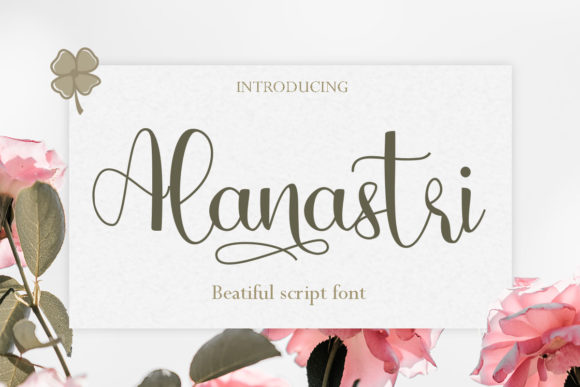
In a digital landscape saturated with rigid, uniform typefaces, finding a font that captures the warmth of human handwriting can feel like searching for a needle in a haystack. This is where Alanastri steps in as a transformative solution for designers and creators who need to inject personality into their work without sacrificing technical reliability. Unlike standard sans-serif or serif fonts that often convey a sense of distance, Alanastri offers an elegant, fluid script that mimics the natural flow of a pen on paper. It is not merely a decorative addition; it is a strategic tool for communication that bridges the gap between professional polish and intimate connection.
The true value of this unique typeface lies in its ability to adapt seamlessly to various design contexts while maintaining its distinct character. Whether you are a wedding planner crafting invitations that need to whisper romance or a business owner looking to rebrand your logo with a touch of sophistication, Alanastri provides the versatility required to elevate visual storytelling. Its PUA encoding ensures that every nuance of the design is accessible, allowing for a level of customization that many modern fonts simply cannot match.
Understanding the Core Characteristics of Alanastri
At first glance, Alanastri presents itself as a classic handwritten script, but a closer examination reveals a sophisticated structure designed for modern workflows. The letters feature varying stroke widths and organic curves that replicate the pressure changes of a real writing instrument. This gives the text a dynamic, breathing quality that static vector fonts often lack. The elegance of the font is balanced by its readability, ensuring that while it looks artistic, it remains legible even at smaller sizes or when used in longer paragraphs.
A standout feature of Alanastri is its comprehensive glyph set, made possible through PUA (Private Use Area) encoding. In the world of typography, accessing alternate characters, swashes, and ligatures often requires complex workarounds or specific software plugins. With Alanastri, these elements are integrated directly into the font file's architecture. This means that users can access all available swashes and alternative glyphs with ease, simply by selecting the appropriate character code. For professionals working under tight deadlines, this efficiency is invaluable. It eliminates the frustration of hunting down individual graphic elements and allows for rapid iteration during the design process.
The font's strength also comes from its consistency. While it celebrates the imperfections of handwriting, it does so within a controlled framework. The baseline alignment and spacing are calibrated to ensure that lines of text sit harmoniously together, preventing the chaotic look that can plague poorly implemented scripts. This balance makes Alanastri suitable for both display purposes and body text in specific contexts, offering a rare dual-purpose capability in a single typeface family.
Practical Applications Across Diverse Industries
The utility of Alanastri extends far beyond simple decoration. Its application spans a wide array of industries, each leveraging the font's unique properties to achieve specific communicative goals. Understanding these applications helps clarify why this font has become a staple for savvy creatives.
- Wedding and Event Planning: This is perhaps the most obvious use case. Wedding invitations require a tone of exclusivity and personal care. Alanastri conveys a sense of tradition and intimacy that standard block fonts cannot. From the main invitation to thank-you cards and place settings, the font adds a layer of emotional resonance that guests immediately appreciate.
- Branding and Logo Design: For entrepreneurs and small businesses, establishing a brand identity is crucial. A logo featuring Alanastri can suggest artisanal quality, luxury, or a boutique feel. It works exceptionally well for brands in the beauty, fashion, and culinary sectors where a human touch is a key selling point.
- Educational Materials and Publishing: Educators and publishers often struggle to make content engaging for younger audiences or to soften the presentation of formal documents. Using Alanastri for headings, quotes, or special sections in educational worksheets or e-books can increase engagement and make the material feel more approachable.
- Digital Marketing and Social Media: In the crowded feed of social media, eye-catching visuals are essential. Alanastri stands out against the backdrop of corporate sans-serifs used by major platforms. Marketers can use it for call-to-action buttons, promotional banners, or email headers to create a sense of urgency and personal invitation.
Enhancing User Experience and Brand Perception
When you choose a font like Alanastri, you are making a psychological statement about your brand or project. Typography is a non-verbal language that influences how users perceive credibility, trust, and emotion. A rigid, geometric font might communicate precision and efficiency, but it can also feel cold. Conversely, a handwritten style like Alanastri communicates authenticity and effort. It suggests that a real person took the time to craft the message, which fosters a deeper connection with the audience.
This impact translates directly into user experience. When a website or document feels personalized, users are more likely to linger and engage with the content. For freelancers and consultants, using Alanastri in proposals or portfolios can differentiate them from competitors who rely on generic templates. It signals attention to detail and a commitment to high-quality output. Furthermore, the efficiency gained from the PUA encoding reduces the cognitive load on the designer, allowing them to focus more on strategy and less on technical troubleshooting.
Considerations for Implementation and Selection
While Alanastri offers numerous benefits, successful implementation requires thoughtful planning. The primary consideration is context. Handwritten fonts should generally be used for emphasis, headlines, or short blocks of text rather than extensive body copy. Overusing the font can lead to visual fatigue and reduce overall readability. It is best employed as an accent that guides the viewer's eye to key information.
Another critical factor is compatibility. Because Alanastri relies on PUA encoding, it is essential to ensure that the target platform or software supports these custom glyphs. Most modern design suites handle this natively, but web deployment may require specific CSS configurations or font embedding techniques to guarantee that the swashes and alternates render correctly across different browsers. Testing the font across various devices before finalizing a project is a prudent step to avoid rendering issues.
Finally, consider the overall aesthetic harmony. Alanastri is elegant and fluid, so it pairs best with clean, minimal backgrounds or complementary serif fonts. Clashing it with other heavy, decorative typefaces can result in a busy and confusing layout. By pairing it strategically, you allow the font to shine without competing for attention.
In conclusion, Alanastri represents more than just a pretty font; it is a versatile asset for anyone looking to enhance their visual communication. Its combination of elegant aesthetics, robust technical features, and broad applicability makes it an excellent choice for professionals seeking to add a personal touch to their designs. Whether you are designing a wedding suite, refining a brand identity, or creating engaging digital content, Alanastri provides the tools necessary to create work that resonates on a human level.