Augustine Heart: A Balanced Evaluation for Romantic Design Projects
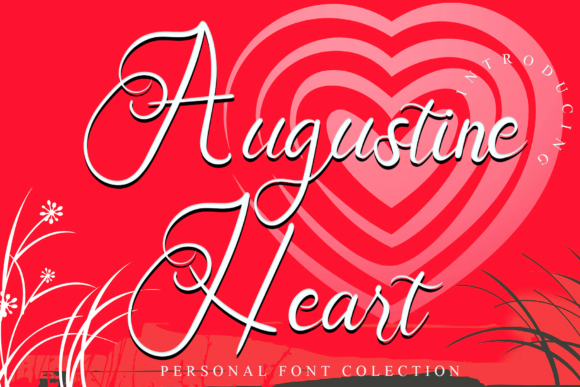
When selecting typography for a design project, the choice of font often dictates the emotional resonance of the final piece. Augustine Heart is a typeface that has gained attention within the design community for its specific aesthetic qualities. It is characterized as a sweet and delicate handwritten font, distinguished by its dainty strokes and joyful character. This evaluation explores what Augustine Heart offers, who it serves best, and how it compares to other options in the current market.
Understanding the Character of Augustine Heart
At its core, Augustine Heart is designed to mimic the natural flow of human handwriting while maintaining a level of refinement that distinguishes it from casual script. The font features thin lines and rounded terminals, creating an impression of lightness and elegance. Unlike blocky sans-serifs or rigid serifs, Augustine Heart introduces organic curves that suggest movement and personal connection.
The "dainty" nature of this typeface refers to its stroke weight and spacing. It does not dominate a layout with heavy visual weight; instead, it invites the viewer to lean in closer. This quality makes it particularly effective for text that requires a soft touch. The "joyful" aspect comes from the slight variations in letterforms that prevent the text from appearing mechanical. When used correctly, Augustine Heart can transform standard text into something that feels hand-crafted and intimate.
Primary Use Cases and Ideal Applications
Designers and clients often turn to Augustine Heart when the goal is to convey romance, intimacy, or celebration. Its structure aligns naturally with projects that require a personalized feel without sacrificing readability.
- Wedding Invitations: This is perhaps the most common application. The romantic and delicate nature of Augustine Heart complements the formal yet personal tone of wedding stationery. It works well for the names of the couple, the date, and key details on the invitation suite.
- Greeting Cards: For birthdays, anniversaries, or thank-you notes, Augustine Heart adds a layer of warmth. It suggests that the sender took time to craft the message, enhancing the perceived value of the card.
- Romantic Branding: Businesses in the beauty, jewelry, or boutique gift sectors may utilize this font to establish a feminine and approachable brand identity. It helps soften corporate messaging and make it feel more accessible.
- Personalized Accents: In web design or digital marketing, Augustine Heart is often used for headlines or pull quotes rather than body text. This allows designers to highlight emotional moments within a larger, more structured layout.
Benefits of Choosing Augustine Heart
Selecting Augustine Heart provides several distinct advantages for specific design goals. The primary benefit is the immediate establishment of a mood. Because the font is inherently associated with handwriting, it bypasses the coldness of digital typesetting. This creates an instant sense of authenticity and trust.
Furthermore, the legibility of Augustine Heart is generally high within its intended context. While highly decorative scripts can sometimes be difficult to read, Augustine Heart maintains a consistent baseline and clear letter separation. This balance ensures that the romantic aesthetic does not come at the cost of communication clarity. Additionally, its versatility allows it to pair effectively with clean sans-serif fonts. A designer might use a modern sans-serif for informational text and reserve Augustine Heart for titles, creating a harmonious contrast between structure and emotion.
Tradeoffs and Practical Considerations
While Augustine Heart is a strong tool for specific scenarios, it is not a universal solution. Understanding its limitations is crucial for making an informed decision. The most significant tradeoff is its lack of neutrality. Using Augustine Heart for serious, technical, or corporate content would likely undermine the message. The font carries an inherent personality that cannot be ignored.
Readability over long passages is another consideration. Due to its handwritten style and varying stroke weights, Augustine Heart can cause eye fatigue if used for large blocks of body text. It is generally recommended to limit its usage to short phrases, headers, or key elements. Designers must also consider the medium. On low-resolution screens or small mobile devices, the delicate strokes of Augustine Heart may become indistinct or pixelated, potentially compromising the design's integrity.
Situations Where Alternatives May Be Preferred
There are scenarios where Augustine Heart may not be the optimal choice, and exploring alternatives becomes necessary. If a project requires a bold, authoritative voice, a serif or geometric sans-serif would be more appropriate. Similarly, if the design needs to accommodate multiple languages or complex diacritics, one must verify the font's language support, as some specialized scripts have limited character sets.
For brands aiming for a minimalist or industrial aesthetic, Augustine Heart might feel too ornate. In such cases, a cleaner script font or a simple sans-serif would better align with the visual identity. Additionally, if the target audience includes individuals with visual impairments, the delicate nature of Augustine Heart might present accessibility challenges compared to fonts with higher x-heights and clearer distinctions between characters.
Decision-Making Insights for Designers
To determine whether Augustine Heart aligns with your specific goals, consider the following factors before purchasing or implementing the font. First, define the emotional objective of the project. If the goal is to evoke feelings of love, nostalgia, or celebration, Augustine Heart is a strong candidate. If the goal is to convey efficiency, data, or authority, look elsewhere.
Second, evaluate the hierarchy of your design. Augustine Heart should function as a supporting actor or a headline star, rarely as the narrator. Test the font at various sizes to ensure the delicate details remain visible. Third, assess the pairing potential. Try combining Augustine Heart with a neutral, highly readable font to see if the contrast enhances the overall composition or creates visual clutter.
Finally, consider the longevity of the trend. Handwritten fonts have been popular for decades, but specific styles can date quickly. Augustine Heart's classic, somewhat traditional script style tends to age better than overly trendy or exaggerated brush fonts. However, it is always wise to review the font family's full range of weights and styles to ensure it offers enough flexibility for future iterations of the project.
Conclusion
Augustine Heart stands out as a reliable option for designers seeking to inject romance and personalization into their work. Its sweet and delicate characteristics make it ideal for wedding invitations, cards, and designs requiring a soft, human touch. However, its effectiveness relies heavily on proper application. By understanding its strengths in conveying emotion and its limitations regarding long-form readability, designers can make strategic choices that enhance their projects. Whether you are planning a wedding or building a boutique brand, Augustine Heart offers a refined tool for those ready to embrace a more intimate typographic voice.