Hayes Preston: Bold Vintage Handwritten Style
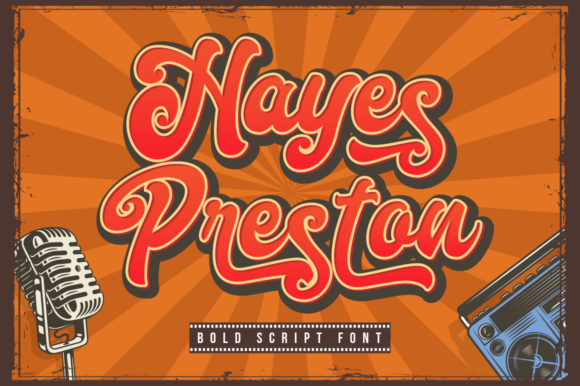
In a digital landscape dominated by clean, sterile sans-serifs and highly structured grids, there is a growing desire for something that feels human, tactile, and authentic. This is where Hayes Preston steps in as a transformative element for designers and creators. It is not merely another typeface; it is a bold and vintage styled handwritten font that reads as strong, confident, and dynamic while adding tons of nostalgic character to your designs.
For beginners who have never considered typography beyond the default system fonts, choosing a typeface can feel overwhelming. However, understanding the personality of a font like Hayes Preston simplifies the process significantly. It serves as a visual anchor that instantly communicates warmth and reliability without needing a single word of explanation. Whether you are a small business owner crafting a logo or a blogger looking to give your posts a unique voice, this font offers a distinct advantage in capturing attention.
Understanding the Core Character of Hayes Preston
To truly appreciate Hayes Preston, one must look past the technical specifications and focus on the emotion it evokes. The design philosophy behind this font leans heavily into the aesthetic of mid-century craftsmanship. Unlike modern geometric fonts that prioritize efficiency and minimalism, Hayes Preston embraces imperfection. The strokes vary slightly in weight, mimicking the natural rhythm of a hand holding a marker or brush.
This variation is what gives it its "bold" nature. It does not whisper; it speaks with authority. When you see this font used in a headline, it commands the reader's eye immediately. The "vintage" aspect comes from its connection to retro advertising and classic signage styles. It feels familiar, like a poster found in an old diner or a label on a bottle of artisanal coffee. This nostalgic character is powerful because it triggers positive associations with quality, tradition, and trustworthiness.
The confidence embedded in the letterforms makes it particularly suitable for brands that want to project stability. If you are an entrepreneur launching a new venture, you need your audience to feel secure in your offering. A shaky or overly decorative script might undermine that message, but Hayes Preston strikes a perfect balance between approachable and professional.
Why Creatives Are Choosing This Font Now
The shift toward more personalized and expressive design trends has placed fonts like Hayes Preston at the forefront of creative projects. In an era where AI-generated content is becoming ubiquitous, human-centric design elements are becoming more valuable. Using a handwritten style signals that a real person created the work, fostering a deeper connection with the audience.
Here are several reasons why professionals and hobbyists alike are integrating this typeface into their workflows:
- Immediate Brand Identity: It allows for rapid establishment of a brand voice that feels established and experienced, even for new businesses.
- Visual Hierarchy: Its bold weight creates natural contrast against body text, making it ideal for headlines, pull quotes, and call-to-action buttons.
- Nostalgic Appeal: It taps into the "retro revival" trend, appealing to consumers who value heritage and authenticity over mass-produced perfection.
- Versatility: Despite its specific style, it works well across various mediums, from social media graphics to physical packaging.
Practical Applications Across Different Industries
One of the most common questions from those new to typography is, "Where exactly can I use this?" The answer is surprisingly broad. Because Hayes Preston balances strength with a handwritten charm, it fits into diverse contexts ranging from educational materials to high-end commercial marketing.
For marketers and freelancers, this font is a secret weapon for social media campaigns. Imagine a promotional post for a local workshop or a limited-time sale. A standard sans-serif might get lost in the feed, but a bold, vintage headline using Hayes Preston stops the scroll. It suggests excitement and urgency without feeling chaotic. You can pair it with simple, clean body text to create a layout that is easy to read yet visually striking.
Educators and bloggers often struggle with making their content feel engaging. Text-heavy articles can be daunting, but breaking up the flow with headers in Hayes Preston adds a layer of personality. It transforms a standard blog post into a storybook experience. For instance, a history teacher could use it for unit titles, instantly setting a tone of exploration and discovery. Similarly, a food blogger might use it for recipe names, evoking the feeling of a grandmother's handwritten cookbook.
In the commercial sector, small business owners find immense value in this font for branding. Think about a craft brewery, a boutique clothing store, or a handmade jewelry shop. These industries rely heavily on the perception of quality and uniqueness. Applying Hayes Preston to a logo, a business card, or product packaging reinforces the idea that the items inside are crafted with care. The dynamic nature of the letters suggests movement and energy, which is excellent for lifestyle brands.
Real-World Use Cases for Beginners
If you are just starting out and want to experiment with Hayes Preston, start with low-stakes projects. Try creating a custom event invitation for a birthday party or a family reunion. The font's friendly vibe will make guests feel welcomed. Another great exercise is designing a weekly planner or a habit tracker. The bold lines provide structure, while the handwritten feel keeps it from looking too rigid or corporate.
Digital creators can also leverage this font for YouTube thumbnails or podcast cover art. In these competitive spaces, standing out is crucial. A thumbnail featuring a bold, vintage title in Hayes Preston will look distinct compared to the sea of generic templates. It tells the viewer that the content inside is curated and personal.
Important Considerations Before You Start
While Hayes Preston is a versatile and attractive choice, successful design relies on thoughtful application. The first rule of thumb is context. While it is strong and confident, it may not be the best choice for legal documents, medical reports, or any situation requiring absolute neutrality and formality. Its inherent personality can sometimes distract if the goal is purely informational.
Readability is another critical factor. Because it is a handwritten style, extremely long blocks of text can become difficult to read, especially for people with dyslexia or visual impairments. The best practice is to use Hayes Preston for headings, subheadings, and short phrases. Let a neutral, highly legible sans-serif or serif font handle the main body copy. This combination ensures your message is accessible while still maintaining the stylistic flair of the vintage font.
Additionally, consider the color palette. The boldness of Hayes Preston pairs exceptionally well with earth tones, muted pastels, or high-contrast black and white schemes. Avoid pairing it with neon colors or overly busy backgrounds, as the intricate details of the letters might get lost. The goal is to let the character of the font shine through, not to compete with other design elements.
Finally, always check the licensing terms before using the font commercially. Many vintage-style fonts come with specific restrictions regarding how they can be used in logos or merchandise. Ensuring you have the proper license protects your business and respects the work of the type designer.
Ultimately, Hayes Preston is more than just a tool for putting words on a screen; it is a way to inject soul into your projects. By understanding its strengths and limitations, you can harness its power to create designs that resonate deeply with your audience. Whether you are building a brand from scratch or refreshing an existing identity, this bold and vintage styled handwritten font offers the perfect blend of nostalgia and modern confidence.