Maratus: A Deep Dive into Versatility and Handwritten Character
In the crowded landscape of digital typography, finding a typeface that balances organic charm with technical precision is a significant challenge. Maratus has emerged as a compelling option for designers seeking to inject personality into their work without sacrificing readability or structural integrity. As a unique handwritten font, it offers a distinct aesthetic that feels both intimate and professional. For professionals aged 20 to 50 who are evaluating design resources, understanding the specific capabilities of Maratus is essential before committing to a project.
This evaluation explores what makes Maratus stand out, how its PUA encoding enhances functionality, and where it fits within the broader spectrum of typographic tools. Whether you are designing branding materials, editorial layouts, or digital interfaces, the decision to use Maratus depends on your specific needs regarding style, accessibility, and workflow efficiency.
Understanding the Distinctive Nature of Maratus
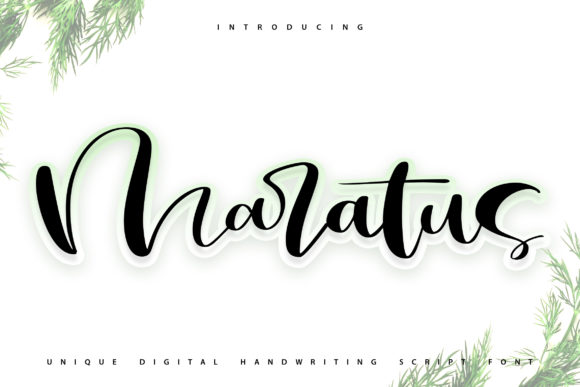
Unlike standard serif or sans-serif fonts that prioritize uniformity, Maratus embraces the irregularities of human handwriting. This distinction is not merely cosmetic; it fundamentally changes how text interacts with the viewer. The font mimics the fluid motion of a pen on paper, introducing subtle variations in stroke weight and letter spacing that create a sense of warmth and authenticity. In an era where digital content often feels sterile, Maratus provides a tactile quality that can elevate a design from functional to memorable.
The versatility of this typeface lies in its ability to adapt to various contexts while maintaining its core identity. It is not limited to decorative headers or casual notes. Because of its carefully constructed glyph set, it can serve as a primary display font for impactful headlines or be used sparingly within body copy to add emphasis. The key to unlocking this potential is recognizing that Maratus is designed to be seen, yet it remains legible enough for extended reading when paired correctly with neutral typefaces.
When comparing Maratus to other handwritten options, one must look beyond the visual style. Many fonts in this category struggle with consistency, resulting in jarring designs where some letters appear polished while others look unfinished. Maratus avoids this pitfall by offering a cohesive character set that feels like it was written by a single hand in a single session. This consistency is crucial for maintaining brand voice and professional credibility.
The Technical Advantage of PUA Encoding
A critical factor that sets Maratus apart from many competitors is its implementation of Private Use Area (PUA) encoding. To the uninitiated, this might seem like a minor technical detail, but for a designer, it represents a significant workflow advantage. Standard fonts often limit the number of available glyphs, forcing users to choose between a basic alphabet or a cluttered interface filled with unused characters.
With Maratus, the PUA encoding allows access to a comprehensive library of swashes, alternate characters, and stylistic ligatures directly within standard font management software. This means that the "incredibly versatile style" mentioned in promotional descriptions is backed by actual technical capability. Designers can easily swap standard letters for their flourished counterparts without needing complex OpenType feature toggles or third-party plugins.
- Accessibility: Users can access all glyphs and swashes with ease, streamlining the creative process.
- Customization: The ability to mix and match standard and alternate forms allows for unique compositions that feel bespoke.
- Efficiency: There is no need to hunt for alternative files or manually adjust kerning for every special character.
This level of control is particularly valuable for projects requiring high levels of customization, such as wedding invitations, luxury packaging, or artistic book covers. It empowers the designer to make micro-decisions that significantly impact the final aesthetic without getting bogged down in technical limitations.
Evaluating Fit: When to Choose Maratus
Selecting the right typeface is rarely about finding the "best" font in isolation; it is about finding the best fit for a specific context. Maratus excels in scenarios where emotional connection and personal touch are paramount. Its handwritten nature makes it an ideal candidate for storytelling mediums. For instance, in editorial design, using Maratus for pull quotes or section dividers can break up dense text and guide the reader's eye naturally.
In the realm of branding, Maratus is suitable for businesses that want to convey approachability and craftsmanship. A boutique coffee shop, a local artisanal bakery, or a creative agency might find that Maratus aligns perfectly with their brand values. The font suggests that there is a human behind the product, which can foster trust and loyalty among consumers.
However, the choice to use Maratus comes with tradeoffs that must be weighed carefully. While it is versatile, it is not a universal solution. Its strong personality can become overwhelming if overused. In long-form documents, such as white papers, legal contracts, or technical manuals, the organic curves of Maratus may reduce readability and fatigue the reader's eyes. In these cases, a more neutral, geometric sans-serif would likely be a superior choice.
Furthermore, the effectiveness of Maratus depends heavily on the surrounding design elements. Because it draws attention to itself, it requires ample negative space and a clean layout to shine. Attempting to force Maratus into a cluttered design will result in visual noise rather than elegance. Designers must be prepared to let the font breathe, allowing its intricate details to be appreciated by the audience.
Navigating Alternatives and Comparison Factors
When researching options, designers often encounter a wide array of handwritten fonts. Some focus on calligraphy, others on modern brush strokes, and still others on rough, sketch-like aesthetics. How does Maratus compare to these categories? Unlike strict calligraphy fonts that demand perfect alignment and formal structure, Maratus offers a looser, more relaxed vibe. This makes it more forgiving in terms of layout and less prone to looking stiff or rigid.
Compared to modern brush scripts, which often feature dramatic thick-and-thin contrasts, Maratus maintains a more consistent line weight. This consistency ensures that the text remains legible at smaller sizes, a common limitation of many script fonts. While a heavy brush script might look stunning on a billboard, it often fails to render well on mobile screens or in print brochures. Maratus strikes a balance, offering the flair of a brush script with the reliability of a standard typeface.
For those considering alternatives based on utility, the decision often hinges on the intended medium. If the project requires extensive multilingual support, designers must verify that Maratus includes the necessary language packs. Some niche fonts lack Cyrillic, Greek, or extended Latin characters, limiting their global applicability. While Maratus is praised for its glyph variety, checking the specific character set against project requirements is a prudent step.
Another consideration is the file format and compatibility. Not all fonts integrate seamlessly across different operating systems or design software. Maratus, being PUA encoded, generally offers broad compatibility, but it is always wise to test the font in the specific environment where it will be deployed. This is especially true for web projects, where fallback fonts must be configured to ensure that the design degrades gracefully if the user does not have Maratus installed locally.
Decision Factors for Professional Adoption
To make an informed decision, professionals should evaluate Maratus against several criteria. First, consider the tone of the message. Does the handwritten style reinforce the brand identity, or does it distract from the core content? Second, assess the volume of text. Will the font be used for short bursts of copy or extended paragraphs? Third, analyze the target audience. Is the demographic receptive to a personal, handwritten aesthetic, or do they prefer a more corporate, impersonal look?
There are situations where Maratus is the clear winner. It shines in marketing collateral, social media graphics, and event invitations where capturing attention quickly is vital. It is also excellent for logo design in industries that value creativity and individuality. However, if the goal is to present data, statistics, or complex information, a more structured typeface is necessary. The organic nature of Maratus can obscure the clarity required for analytical content.
Ultimately, the strength of Maratus lies in its ability to bridge the gap between digital precision and human expression. By leveraging its PUA-encoded features, designers can unlock a level of detail that elevates their work above generic templates. Yet, like any powerful tool, it requires skill and judgment to wield effectively. When used with intention and paired thoughtfully with complementary fonts, Maratus can transform a standard design into something spectacular.
For those exploring resources to enhance their design toolkit, Maratus represents a solid investment for anyone looking to add a layer of sophistication and humanity to their projects. It is not just a font; it is a design element that invites interaction and engagement. By understanding its strengths and limitations, designers can confidently decide whether it is the right partner for their next creative endeavor.