Matterie: A Handwritten Font for Distinctive Branding and Design
In a digital landscape saturated with rigid geometric sans-serifs and uniform serif fonts, finding a typeface that conveys genuine human touch without sacrificing legibility can be challenging. Matterie emerges as a compelling solution for designers, entrepreneurs, and creators seeking an elegant handwritten aesthetic. This thin and refined script font bridges the gap between casual handwriting and professional typography, offering a versatile tool for various applications ranging from high-end wedding invitations to bold t-shirt graphics.
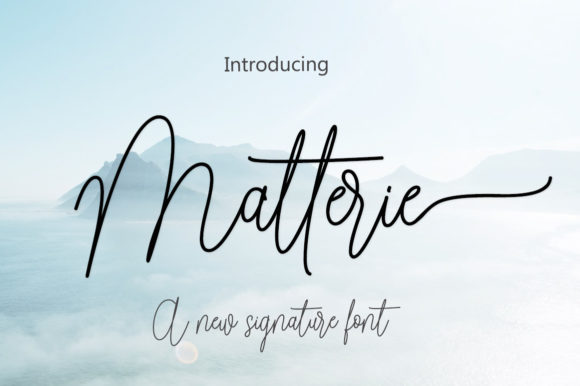
The primary appeal of Matterie lies in its specific character. Unlike many script fonts that mimic the heavy pressure of a marker or the roughness of a brush, Matterie maintains a delicate line weight. This "thin" quality allows it to sit gracefully on a page or screen without overwhelming other design elements. It is engineered to feel personal yet polished, making it suitable for contexts where warmth and sophistication must coexist.
Defining the Characteristics of Matterie
When evaluating any typeface for a project, the first step is understanding its structural DNA. Matterie is defined by its fluidity and grace. The letterforms feature smooth transitions between strokes, mimicking the natural flow of a fine-point pen. This consistency is crucial; many handwritten fonts suffer from erratic stroke widths or clunky connections that break the visual rhythm. Matterie avoids these pitfalls, presenting a cohesive look whether used in a single word or a full paragraph.
The font's elegance is not merely superficial. It possesses a modern sensibility that prevents it from feeling dated or overly ornate. While it draws inspiration from traditional calligraphy, it strips away unnecessary flourishes that might hinder readability in smaller sizes. This balance makes it particularly effective for headings and logos, where the text needs to make an immediate impression but also remain clear at a glance.
Furthermore, the versatility of the design extends to its application across different mediums. Whether printed on thick cardstock for a bridal suite or rendered digitally on a mobile interface, the thin lines of Matterie hold their integrity. They do not disappear into the background, nor do they create visual noise. This reliability is a key factor in why professionals are increasingly turning to this resource for brand identity work.
Technical Precision and PUA Encoding
One of the most significant advantages of using Matterie in a professional workflow is its technical implementation. The font is fully PUA (Private Use Area) encoded. For those unfamiliar with the terminology, standard fonts often have limited glyph sets, restricting the number of special characters, ligatures, and swashes available to the user. In contrast, PUA encoding unlocks a comprehensive library of alternate characters within the font file itself.
This encoding method means that accessing all the glyphs and swashes associated with Matterie is straightforward. Designers do not need to rely on third-party plugins or complex workaround methods to access the full range of stylistic alternates. Instead, the specialized characters are mapped directly to specific keys or accessible through standard OpenType features supported by major design software like Adobe Illustrator, Photoshop, and InDesign.
- Complete Glyph Access: Users can easily swap standard letters for their decorative counterparts, adding unique flair to names and titles.
- Seamless Integration: Because the glyphs are embedded within the font file, there is no risk of missing character errors when sharing files with clients or printers.
- Stylistic Variety: The availability of multiple swash options allows for dynamic composition, ensuring that every headline looks custom-tailored rather than generic.
This level of control is essential for maintaining consistency across a brand's visual identity. When a logo is designed with specific swashes, the ability to reproduce those exact forms in marketing materials ensures a unified message. Matterie supports this workflow by providing the necessary tools within a single, robust package.
Practical Applications in Real-World Scenarios
The theoretical qualities of a font only matter if they translate well into practical use. Matterie has demonstrated strong performance across several distinct sectors, proving its adaptability beyond simple novelty.
Wedding and Event Invitations
Perhaps the most common use case for Matterie is in the realm of weddings and formal events. The thin, elegant strokes perfectly capture the romantic and celebratory tone required for bridal stationery. The font's readability ensures that critical details like dates and venues are clear, while the handwritten style adds the emotional connection that guests expect from such occasions. The swashes allow for creative flourishes around names without cluttering the layout.
Logo Design and Branding
For small business owners and freelancers, establishing a memorable brand identity is paramount. Matterie offers a sophisticated alternative to the overused script fonts found in stock libraries. Its clean lines work exceptionally well for boutique labels, coffee shops, beauty brands, and lifestyle blogs. The font commands attention without appearing aggressive, fostering a sense of approachability and trust.
Apparel and Merchandise
On t-shirts and other merchandise, typography often faces the challenge of balancing detail with visibility. Thick scripts can sometimes lose definition when screen-printed, while very thin fonts can appear faint. Matterie strikes a middle ground; its thinness provides a modern, minimalist look that appeals to younger demographics, yet the stroke width is sufficient to remain legible even after printing processes. It transforms a basic garment into a statement piece with minimal effort.
Evaluating Usability and Long-Term Value
From a usability perspective, Matterie proves to be a reliable asset. The consistency of the kerning (spacing between letters) is generally well-managed, reducing the need for manual adjustments that often plague handwritten fonts. This saves valuable time during the design process, allowing creators to focus on layout and color rather than fighting the typeface.
The long-term value of incorporating Matterie into a design toolkit is significant. Trends in typography often cycle, but the demand for authentic, human-centric design remains constant. As consumers become more fatigued by sterile, corporate aesthetics, the organic feel of a well-executed script font becomes more relevant. By investing in a high-quality font like Matterie, professionals future-proof their designs against the fleeting nature of temporary trends.
However, it is important to maintain realistic expectations regarding its limitations. Due to its thin weight, Matterie may not be the ideal choice for body copy in large blocks of text, especially in low-light conditions or on lower-resolution screens. It is best utilized as a display font—used for headlines, pull quotes, and short phrases where impact is prioritized over volume of text. Attempting to force it into dense paragraphs can result in a loss of legibility that detracts from the overall message.
Who Should Consider Using Matterie?
Understanding who benefits most from this typeface helps clarify its role in the broader design ecosystem. It is particularly well-suited for:
- Professional Graphic Designers: Those looking to expand their font library with a versatile, high-quality script that integrates seamlessly with existing systems.
- Entrepreneurs and Small Business Owners: Individuals managing their own branding who need a cost-effective way to achieve a premium look without hiring a custom lettering artist.
- Content Creators and Bloggers: Writers and publishers seeking to elevate the visual hierarchy of their articles, particularly for featured images and headers.
- Event Planners and Stationery Designers: Professionals who require a font that balances formality with a personal touch for invitations and signage.
The audience for Matterie is broad, but the core requirement is a desire for elegance. It is not a font for industrial or technical projects where clarity and neutrality are the sole objectives. Instead, it thrives in environments where emotion, style, and personality are central to the communication strategy.
Final Thoughts on Integration
In conclusion, Matterie represents a thoughtful addition to the world of digital typography. Its combination of thin, elegant lines and robust technical features like PUA encoding makes it a standout choice for designers who value both aesthetics and functionality. By avoiding the trap of being overly decorative or difficult to read, it occupies a sweet spot that serves a wide array of creative needs.
For those looking to add a touch of sophistication to their next project, Matterie offers a practical and effective solution. Whether crafting a wedding invitation suite or designing a new logo for a startup, the font provides the flexibility to create work that feels both intentional and timeless. As with any design tool, the key lies in knowing how to wield it; used correctly, Matterie can elevate a project from ordinary to exceptional.