Morning Santana: A Handwritten Font for Modern Creators
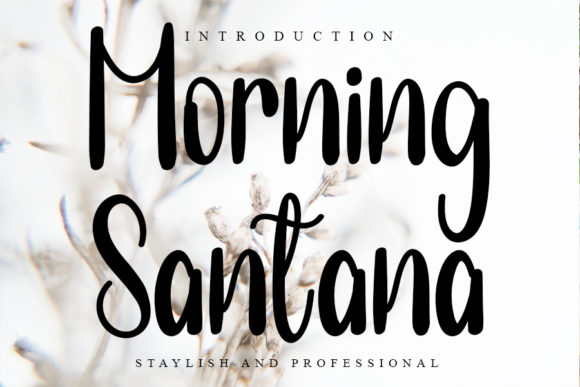
In a digital landscape dominated by rigid grids and sterile sans-serifs, there is a distinct need for warmth. We are constantly bombarded with automated text that feels efficient but often lacks soul. This is where Morning Santana steps in. It is not just another typeface; it is a thin lettered and neat handwritten font designed to bring a human touch back into professional communication. For creators, designers, and small business owners who want their message to feel personal yet polished, this font offers a unique bridge between casual creativity and structured design.
The appeal of Morning Santana lies in its specific character. Unlike many script fonts that can be messy or difficult to read at smaller sizes, this typeface maintains a "neat" quality. The strokes are thin, which gives it an airy, elegant feel, but the handwriting style ensures it never looks generated by a computer algorithm. It captures the essence of a quick, thoughtful note written on a crisp piece of paper during the early hours of the day. That feeling of freshness and intention is exactly what brands and individuals are trying to convey today.
Why Neatness Matters in Handwritten Typography
One of the most common misconceptions about using script fonts is that they must look chaotic to be authentic. In reality, legibility is paramount. If a user cannot decipher your message within seconds, the design has failed. Morning Santana solves this by balancing the organic flow of handwriting with the discipline of neat alignment. This makes it incredibly versatile for projects where clarity is non-negotiable.
When you choose a thin lettered font, you are making a deliberate choice about tone. Thick, heavy scripts can feel bold and aggressive, while overly decorative scripts can appear dated or overwhelming. The delicate lines of Morning Santana suggest sophistication, care, and attention to detail. It tells the viewer that the creator took time to craft the message. Whether you are designing a wedding invitation or a product label, this font communicates that value without shouting.
Practical Applications for Designers and Entrepreneurs
The versatility of Morning Santana allows it to fit seamlessly into a wide array of use cases. Because of its clean structure, it avoids the clutter that often plagues handwritten styles. Here are several practical ways to integrate this font into your workflow:
- Logos and Branding: For boutique businesses, cafes, or creative agencies, a logo needs to be memorable. Using Morning Santana as the primary logotype can establish an identity that feels artisanal and approachable. Pair it with a simple geometric icon to balance the organic curves with modern stability.
- T-Shirt Designs: Apparel graphics benefit from fonts that stand out but don't look like cheap clip art. The thin strokes of this font work beautifully on dark backgrounds when paired with white ink, creating a high-contrast, stylish look that appeals to younger demographics looking for something unique.
- Letterhead and Stationery: There is nothing more impactful than receiving a physical letter with a handwritten signature line or header. Morning Santana elevates standard business correspondence, making clients feel valued and treated personally rather than as a transaction number.
- Signage and Labels: Whether you are labeling jars of homemade jam or creating chalkboard signs for a restaurant menu, the neatness of the font ensures readability from a distance. The thin lines prevent visual noise, allowing the content to shine through.
Adapting the Style for Different Audiences
Design is rarely one-size-fits-all. While Morning Santana is inherently elegant, how you apply it can shift the perception entirely depending on your target audience. For educators and bloggers, the font serves as a tool for connection. Imagine a blog post header or a quote graphic on social media. The handwritten style breaks down the barrier between the author and the reader, fostering a sense of community and shared experience.
For marketers and publishers, the utility of the font extends to news and posters. In a world of sensationalist headlines, a calm, neat script can act as a grounding force. It suggests reliability and thoughtfulness. When used for event badges or conference materials, it adds a layer of exclusivity and personalization that standard block letters simply cannot achieve.
Consider the context of your project. If you are targeting a corporate audience, you might use Morning Santana sparingly—perhaps only for accents, pull quotes, or subheadings—to maintain professionalism while adding a touch of personality. Conversely, if you are working on a hobbyist project or a creative portfolio, you can let the font take center stage, allowing its fluid nature to drive the entire visual narrative.
Techniques for Clear and Effective Results
To get the most out of Morning Santana, consistency is key. Because the font is thin, it requires careful handling regarding size and contrast. Using it too small on a low-resolution screen can make the letters disappear or become jagged. Always ensure that the background provides sufficient contrast to the light strokes of the type.
- Pairing Strategy: Never pair two script fonts together unless you are highly experienced. Instead, combine Morning Santana with a clean, neutral sans-serif or a sturdy serif font. This creates a visual hierarchy where the script draws attention as a focal point, while the supporting text ensures the information is easy to scan.
- Spacing and Kerning: Handwritten fonts often have unique spacing requirements. Take the time to adjust the tracking (letter spacing) slightly wider than you would with a standard font. This prevents the thin lines from clumping together and enhances the "airy" quality that defines the typeface.
- Color Selection: Avoid placing the font on busy or textured backgrounds. The elegance of Morning Santana is best showcased on solid colors or subtle gradients. Deep blues, charcoal grays, and warm earth tones complement the neat lines beautifully, whereas neon colors can clash with the sophisticated vibe.
Embracing Creativity Without Compromise
Using a font like Morning Santana encourages a mindset of intentional creativity. It pushes designers to think about the emotional resonance of their work. It is not enough to just display information; we must consider how that information feels. By choosing a font that mimics the human hand, we acknowledge the importance of the individual behind the brand.
This approach is particularly valuable for freelancers and small business owners who cannot rely on massive advertising budgets. A well-designed flyer, a custom label, or a personalized email template can do the heavy lifting of building trust. Morning Santana provides the visual language to say, "We care about the details," without needing to say a word.
As you explore your next project, keep the capabilities of this thin lettered and neat handwritten font in mind. It is a tool that adapts to your goals, whether you are crafting a badge for a local competition, designing a poster for a community event, or updating your website's branding. The result is always a more human, more engaging, and ultimately more effective piece of communication.
Ultimately, the power of Morning Santana lies in its ability to simplify complexity. It brings order to chaos while retaining the charm of imperfection. In a market saturated with generic templates, choosing a font that stands out through its quality and character is a strategic move. It signals to your audience that you are a professional who values both aesthetics and functionality.