Paper Home: A Strategic Asset for Intentional Brand Design
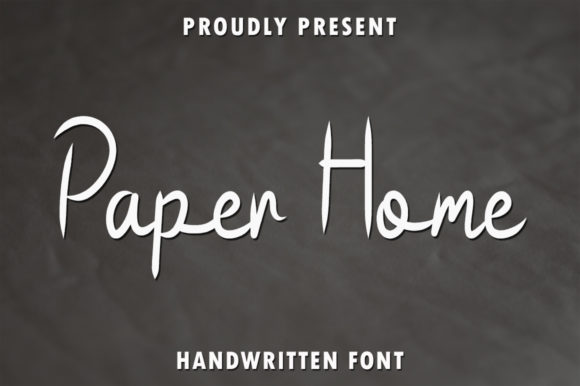
In the crowded landscape of digital and print media, the difference between a design that is merely seen and one that is remembered often comes down to a single element: typography. Paper Home stands out not just as a typeface, but as a deliberate choice for professionals who value authenticity over algorithmic perfection. This delicate and elegant handwritten font offers distinct, well-rounded letters that function as a visual masterpiece, capable of elevating projects ranging from high-end branding to personal creative endeavors.
For entrepreneurs, marketers, and decision-makers aged 20 to 50, selecting a font is rarely about aesthetics alone; it is a strategic decision that influences perception, trust, and engagement. When used with intent, Paper Home bridges the gap between corporate professionalism and human connection. It provides a tactile quality in a digital space, inviting the audience to slow down and engage with the content on a deeper level.
The Strategic Value of Handwritten Typography
Why choose a handwritten style like Paper Home when sans-serif fonts offer clarity and speed? The answer lies in the psychology of communication. In an era dominated by robotic automation and standardized templates, a font that mimics the imperfections of human handwriting signals effort, care, and individuality. Paper Home leverages this psychological trigger effectively.
The distinct and well-rounded letters of this font create a sense of approachability. For small business owners and freelancers, this is crucial. It transforms a sterile logo or a generic email signature into a personal handshake. When you are positioning a brand, the goal is often to establish authority while remaining relatable. Paper Home achieves this balance by maintaining legibility without sacrificing its artistic flair. It suggests that behind the business is a person who cares about the details.
Furthermore, the versatility of Paper Home makes it a practical tool for long-term planning. Whether you are designing a wedding invitation, a product label for a boutique, or a slide deck for a pitch meeting, the font adapts to various contexts. It does not scream for attention; rather, it whispers confidence, allowing the message to take center stage.
Enhancing Brand Positioning Through Tone
Brand positioning is defined by how you want your audience to feel. If your goal is to communicate luxury, precision, and exclusivity, a rigid geometric font might be appropriate. However, if your strategy involves building community, fostering creativity, or sharing a personal story, Paper Home becomes an essential asset. Its incredibly versatile style allows it to soften the edges of formal communications without losing their impact.
Consider the scenario of an educator or a blogger looking to build a loyal following. By incorporating Paper Home into headers or key call-to-action buttons, you create a consistent visual rhythm that feels warm and inviting. This consistency reinforces brand identity over time. Decision-makers should view typography as a component of their operational strategy, where every visual element serves a specific purpose in guiding the user toward a desired outcome.
Practical Applications Across Industries
The utility of Paper Home extends far beyond simple decoration. It is a functional tool that can streamline workflows and enhance customer experiences across various sectors. Let us explore how different professionals can integrate this font into their daily operations to achieve better results.
- Entrepreneurs and Startups: For new businesses, establishing a unique identity quickly is paramount. Using Paper Home in logos, business cards, and website headers can differentiate a startup from competitors who rely on generic stock fonts. It conveys a "hand-crafted" ethos that resonates with consumers seeking authentic products.
- Marketers and Content Creators: In social media campaigns, capturing attention within seconds is critical. Paper Home works exceptionally well for quote graphics, promotional banners, and newsletter subject lines. Its well-rounded letters stand out against busy backgrounds, ensuring that key messages are read and retained.
- Educators and Trainers: When creating course materials, worksheets, or certificates, the tone of the document affects student engagement. A font like Paper Home adds a touch of warmth to educational content, making learning materials feel less rigid and more encouraging.
- Publishers and Bloggers: For those publishing e-books or digital magazines, typography sets the reading experience. While body text requires high readability, using Paper Home for chapter titles, pull quotes, or section dividers adds a layer of sophistication and breaks up the monotony of standard text blocks.
These examples illustrate that the strategic use of Paper Home is not limited to a specific niche. It is a universal language of design that speaks to the human desire for connection and beauty.
Optimizing Planning and Creative Workflows
Effective planning involves anticipating how a design will perform in the real world. Before committing to Paper Home for a major project, consider the scalability and context of its use. Because the font has a handwritten aesthetic, it may not be suitable for very small sizes or dense blocks of text where legibility is compromised. However, for headlines, labels, and accent text, it excels.
To maximize productivity, integrate Paper Home into your brand guidelines early in the planning phase. Define specific rules for its usage: perhaps it is reserved for primary headings only, or maybe it is used exclusively for emotional storytelling sections. By setting these boundaries, you prevent the design from becoming cluttered or inconsistent. This disciplined approach ensures that the font remains a powerful tool rather than a source of confusion.
Risks of Unintentional Usage
Even the most beautiful tools can lead to poor outcomes if misused. Relying on Paper Home without clear goals or context can dilute your brand's message. The primary risk lies in overuse. Because the font is so visually distinct, applying it to every element of a design can result in a chaotic appearance that overwhelms the viewer.
Additionally, there is the risk of mismatched tone. If a financial firm uses Paper Home for all its legal documents or data reports, it may undermine the perception of seriousness and reliability. Decision-makers must evaluate whether the "delicate and elegant" nature of the font aligns with the gravity of the information being presented. Strategic design requires knowing when to step back and let other, more neutral fonts do the heavy lifting.
Another consideration is accessibility. While Paper Home is generally readable, its stylized nature can sometimes pose challenges for users with visual impairments or dyslexia. Always test your designs with diverse audiences to ensure that the elegance of the font does not come at the cost of inclusivity. Thoughtful designers prioritize usability alongside aesthetics, ensuring that their message reaches everyone effectively.
Making Informed Decisions for Long-Term Results
To use Paper Home intentionally, you must move beyond impulse and adopt a methodical approach. Ask yourself: Does this font support my current objective? Is it enhancing the narrative I am trying to tell? If the answer is yes, proceed with confidence. If the answer is no, reconsider your options.
Investing in a font like Paper Home is an investment in your brand's future. It is a resource that, when managed wisely, yields dividends in customer loyalty and brand recognition. By understanding its strengths and limitations, you can create spectacular designs that stand the test of time. Remember, the best designs are not just about what they look like, but how they make people feel and how they help you achieve your goals.
As you embark on your next creative project, keep the principles of strategic design in mind. Use Paper Home not because it is trendy, but because it serves a purpose. Whether you are crafting a marketing campaign, designing a product package, or simply organizing your notes, let the distinct and well-rounded letters guide you toward excellence. In doing so, you transform ordinary tasks into opportunities for meaningful expression and lasting impact.
The journey to better results begins with better choices. By selecting Paper Home with intention, you align your visual identity with your core values, creating a cohesive experience that resonates with your audience. Embrace the versatility of this font, respect its nuances, and watch as your designs evolve from mere visuals to compelling stories.