Whole Christmas: The Quirky Handwritten Font That Elevates Your Holiday Projects
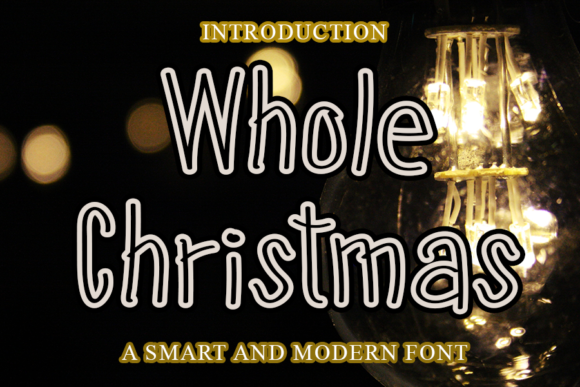
If you are looking for a typeface that immediately captures the spirit of the season without feeling like a generic clip-art stereotype, Whole Christmas is a standout choice. This tall and friendly handwritten font brings a distinct personality to any design project. Its quirky nature makes it incredibly adept on a wide variety of contexts, from festive social media graphics to elegant holiday invitations.
However, just because a font looks charming doesn't mean it will perform well in every situation. Many creators rush to download "festive" fonts only to end up with designs that feel cluttered or difficult to read. Before you commit to using Whole Christmas for your next campaign, it is essential to understand its specific strengths and the common pitfalls associated with this style of typography. Making an informed decision now can save you hours of rework later.
Understanding the Character of Whole Christmas
At first glance, Whole Christmas appears to be a standard script font, but a closer look reveals its unique structure. It is designed with a tall x-height and a relaxed, handwritten flow that mimics natural pen strokes. This vertical emphasis gives it a friendly presence that stands out against more rigid, blocky sans-serif fonts. The quirkiness lies in its irregularities; the letters are not perfectly uniform, which adds a human touch often missing in digital designs.
This font is particularly popular among small business owners and hobbyists who want to convey warmth and authenticity. Whether you are a marketer designing a seasonal email newsletter or a blogger writing about holiday traditions, Whole Christmas can serve as a powerful visual anchor. It bridges the gap between professional polish and personal charm, making it suitable for entrepreneurs who want their brand to feel accessible and approachable during the holidays.
Why Designers Choose This Style
The primary reason professionals select Whole Christmas is its versatility in tone. Unlike overly decorative fonts that scream "holiday," this typeface whispers it. It allows for subtlety while still maintaining a festive theme. When used correctly, it enhances the narrative of your content rather than distracting from it. For educators creating worksheets or freelancers designing client proposals, this balance is crucial. It ensures that the message remains clear while the aesthetic sets the right mood.
Common Mistakes When Using Festive Fonts
Despite its appeal, Whole Christmas is frequently misused. One of the most significant errors designers make is assuming that a "fun" font can replace all other text elements. While the font is delightful for headlines and short phrases, it lacks the legibility required for body copy. Trying to set long paragraphs in Whole Christmas results in a reading experience that feels exhausting and disjointed. The irregular letterforms and varying stroke widths force the eye to work harder, leading to user fatigue and reduced comprehension.
Another frequent oversight involves color contrast and background selection. Because Whole Christmas has a hand-drawn quality, thin lines can disappear if placed on a busy or low-contrast background. Beginners often pair this font with bright reds and greens without considering how the ink weight interacts with the colors. This can cause the text to vibrate visually or become illegible, especially on mobile devices where screen real estate is limited.
- Overuse in Body Text: Using the font for entire articles or long descriptions creates a chaotic visual hierarchy.
- Poor Contrast Choices: Pairing light weights of the font with white or pale backgrounds reduces readability significantly.
- Lack of Kerning Adjustment: Script fonts often require manual spacing adjustments to prevent letters from colliding or floating too far apart.
The Impact on Usability and Brand Perception
When these mistakes occur, the consequences extend beyond aesthetics. If your audience struggles to read your holiday promotion, they are likely to scroll past it entirely. In a competitive market, clarity wins. A design that prioritizes style over function can damage credibility, making a brand appear unprofessional or careless. Furthermore, poor legibility affects accessibility, potentially excluding users with visual impairments. Ensuring that your communication is inclusive should always be a priority when selecting a typeface.
Practical Strategies for Better Results
To avoid these pitfalls, adopt a strategy of intentional pairing. The most effective approach is to combine Whole Christmas with a clean, neutral sans-serif font for body text. This combination leverages the friendliness of the handwritten style for headings while ensuring that the informational content remains crisp and easy to scan. For example, use Whole Christmas for a bold headline like "Holiday Sale" and switch to a simple sans-serif for the terms and conditions or product details.
Before downloading or purchasing the font, always test it in your actual workflow. Don't just look at a preview image; generate a mock-up of your intended layout. Check how the font renders at different sizes. A font that looks great at 72 points might become muddy or indistinct when scaled down for a mobile app icon or a small social media thumbnail. Testing early prevents costly revisions later in the production process.
- Establish a Hierarchy: Use Whole Christmas sparingly to guide the reader's eye to key information.
- Adjust Spacing Manually: Pay attention to the space between letters (kerning) to ensure a polished look.
- Check Color Legibility: Ensure there is sufficient contrast between the font color and the background.
- Test Across Devices: Verify that the font displays correctly on both desktop and mobile screens.
Evaluating Licensing and Usage Rights
Another critical area where people stumble is the licensing agreement. Not all fonts labeled as "free" or "downloadable" allow for commercial use. As a freelancer or business owner, you must verify the license terms before using Whole Christmas in a paid advertisement or a client project. Some licenses restrict usage to personal projects only, while others may require attribution or a specific fee for commercial deployment. Ignoring these details can lead to legal issues and unexpected costs.
Always review the documentation provided by the font creator. Look for specific clauses regarding web embedding, print runs, and merchandise. If you plan to put the font on physical products like mugs or t-shirts, ensure the license explicitly permits this. Taking the time to understand these restrictions protects your business and ensures ethical use of creative assets.
Making the Right Choice for Your Project
Ultimately, the success of your design depends on how well the typography supports your message. Whole Christmas is a fantastic tool for adding warmth and character, but it requires a thoughtful approach. By avoiding the trap of overuse and focusing on readability, you can create holiday materials that are both beautiful and effective. Remember that the best design is often the one that goes unnoticed because the message comes through so clearly.
Take a moment to evaluate your current projects. Are you using fonts that enhance your communication or hinder it? With Whole Christmas, the potential for creativity is high, but it demands respect for the craft of typography. By following these guidelines and prioritizing the user experience, you can ensure that your holiday designs leave a lasting, positive impression on your audience.