Hepatica: A Handwritten Typeface for Authentic Branding
In a digital landscape saturated with uniform, geometric sans-serifs and rigid serif fonts, finding a typeface that conveys genuine human touch is becoming increasingly difficult. Hepatica emerges as a compelling alternative, offering an incredibly unique and interesting looking handwritten aesthetic that stands apart from standard script libraries. This original look will appeal to a wide range of crafty ideas, from letterheads and titles to stationery, providing designers and creators with a tool that bridges the gap between professional polish and personal warmth.
Unlike many display fonts that rely on pre-programmed ligatures to simulate handwriting, Hepatica captures the irregularities and organic flow of actual pen strokes. It is not merely a decorative element; it is a functional asset designed to inject personality into visual communication without sacrificing readability or structural integrity. For professionals seeking to differentiate their work, understanding the specific capabilities and limitations of this font is essential before integrating it into a project workflow.
Defining the Characteristics of Hepatica
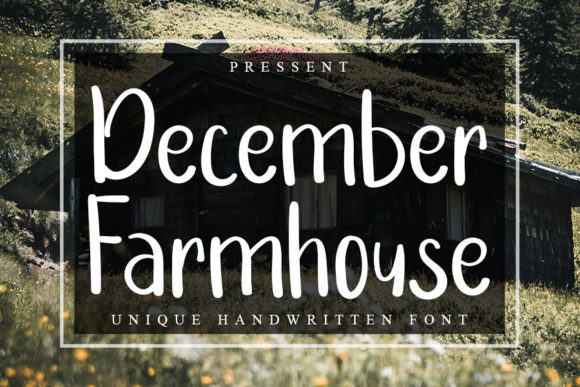
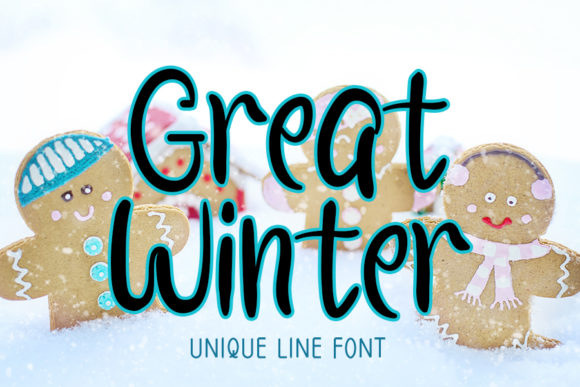
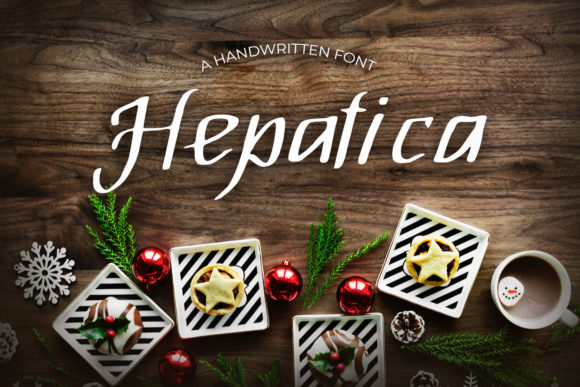
The core identity of Hepatica lies in its execution of the handwritten style. It avoids the stiff, robotic repetition often found in lesser-quality scripts. Instead, the letterforms exhibit subtle variations in stroke weight, slant, and spacing that mimic the natural movement of a hand writing with a marker or brush. This variability creates a sense of authenticity that is highly valued in modern branding, where consumers are increasingly drawn to "human-centric" design.
When examining the technical construction, one finds a balance between artistic flair and legibility. The character set includes standard uppercase and lowercase letters, numerals, and essential punctuation marks. While the primary focus is on the aesthetic presentation, the font maintains a consistent baseline and x-height that allows it to function effectively within a layout. This consistency is crucial; a font that looks beautiful in isolation but fails to align properly in a paragraph is of little practical use.
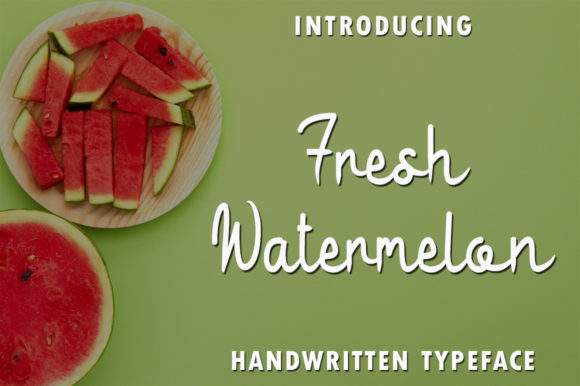
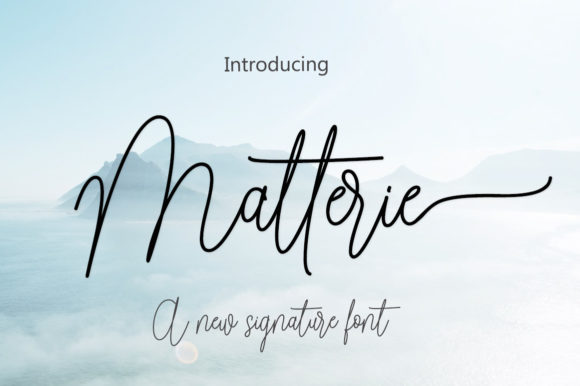
Hepatica is particularly noted for its fluid connections between letters. In cursive applications, the transitions feel natural rather than forced. However, it also possesses enough distinct separation in non-cursive contexts to remain clear when used for headlines or short phrases. This dual capability makes it versatile, allowing it to serve both as a dominant display element and as a supporting accent within a larger typographic hierarchy.
Strengths in Visual Presentation
- Organic Flow: The strokes vary naturally, avoiding the repetitive patterns that can make digital text feel artificial.
- High Legibility: Despite its script nature, the letterforms are open and distinct, ensuring they remain readable at various sizes.
- Versatile Weight: The line thickness provides good contrast against background images and solid colors, enhancing visibility.
- Creative Flexibility: The font works well with a variety of textures and backgrounds, adding depth to flat designs.
Practical Applications in Professional Contexts
The utility of Hepatica extends beyond simple decoration. Its application in real-world scenarios depends heavily on the intended message and the target audience. For small business owners and entrepreneurs, establishing a brand identity that feels approachable yet professional is a constant challenge. Hepatica offers a solution by softening the corporate edge of traditional layouts.
Consider the use of Hepatica for stationery. A wedding invitation, a boutique product tag, or a personalized thank-you note benefits significantly from the font's handwritten quality. It suggests care and attention to detail, implying that the sender took time to create something special. In these contexts, the font acts as a proxy for the creator's presence, fostering a stronger emotional connection with the recipient.
For marketers and content creators, the font serves as an effective tool for highlighting key information. Using Hepatica for pull quotes, section headers, or call-to-action buttons can draw the eye immediately. Because the human brain is wired to notice irregularity, a handwritten header amidst block text commands attention more effectively than another bold sans-serif. This makes it ideal for social media graphics, blog post titles, and email marketing campaigns where engagement rates are critical.
Educators and publishers may also find value in using this typeface for educational materials, worksheets, or children's books. The playful yet structured nature of the letters can make learning materials feel less formal and more inviting. When designing lesson plans or study guides, incorporating Hepatica can help reduce the perceived difficulty of the content, making it more accessible to students.
Integration into Design Workflows
Implementing Hepatica into a design project requires thoughtful planning. It is rarely suitable for body copy over long stretches of text. The variation in stroke width and the potential for slight inconsistencies in spacing can cause eye fatigue when reading dense paragraphs. Therefore, the most effective strategy is to use it sparingly as a display font.
- Pairing Strategy: Combine Hepatica with a clean, neutral sans-serif or a classic serif for body text. This contrast ensures that the headline captures interest while the body text remains easy to read.
- Size Management: Ensure the font is used at a size where the details of the handwriting are visible. If scaled too small, the intricate strokes may blur, losing their charm and legibility.
- Kerning Adjustments: While the font has built-in spacing, manual kerning adjustments may be necessary for specific word combinations to prevent letters from overlapping awkwardly.
Evaluating Quality and Long-Term Value
From an objective standpoint, the quality of a font is determined by its file structure, character coverage, and rendering performance. Hepatica appears to be constructed with high standards, ensuring smooth curves and clean edges even when resized. This reliability is vital for professionals who need assets that perform consistently across different platforms, from print to web.
The long-term value of such a font lies in its timeless appeal. Trends in typography shift rapidly, moving from brutalist styles to neo-grotesques and back again. However, the fundamental desire for authentic, human-centric design remains constant. A font like Hepatica, which prioritizes the artistry of handwriting, tends to have a longer shelf life than fonts tied to fleeting stylistic fads. It offers a level of sophistication that does not date quickly.
However, users must be aware of potential limitations. As with any specialized script, Hepatica may not support all languages or extended character sets required for international projects. Before purchasing or downloading, it is prudent to verify the available glyphs. Additionally, the casual nature of the font means it is inappropriate for formal legal documents, financial reports, or contexts requiring strict neutrality. Misapplication can undermine the credibility of the message being conveyed.
Who Benefits Most?
The following groups will likely derive the most significant benefit from integrating Hepatica into their creative arsenal:
- Freelance Designers: Those needing to deliver custom, branded materials quickly can leverage this font to add a unique signature to their proposals and portfolios.
- Bloggers and Publishers: Writers looking to establish a personal brand online can use it to create distinctive headers and logos that stand out in search results and social feeds.
- Small Business Owners: Entrepreneurs in lifestyle, craft, and service industries can use it to communicate a friendly, artisanal vibe without hiring a custom illustrator.
- Event Planners: Professionals organizing weddings, parties, or corporate retreats can utilize the font for invitations, signage, and programs to set a specific tone.
Making the Decision
Determining whether Hepatica fits your specific needs involves a clear assessment of your project goals. If the objective is to convey professionalism through rigidity and uniformity, this font is not the right choice. Conversely, if the goal is to evoke emotion, creativity, and a personal connection, Hepatica offers a robust and effective solution.
The font's ability to transform a standard layout into something memorable is its greatest strength. It turns a generic letterhead into a piece of art and a simple title into a statement. By understanding its characteristics and applying it with restraint, creators can harness its power to enhance their communication strategies. Ultimately, the success of Hepatica in any project depends on the designer's ability to balance its expressive nature with the functional requirements of the medium.
For those willing to experiment with typography that breaks the mold, Hepatica represents a valuable addition to the toolkit. It invites a return to the roots of design, reminding us that the imperfections of handwriting can be a powerful vehicle for expression in an increasingly automated world.